A sales copywriter is not just someone who writes words that sound good. A sales copywriter is someone who understands why people pause, hesitate, trust, compare, and finally buy. That difference matters because buyers do not move only on logic. They move when a message matches their desire, fear, urgency, identity, and expectation. A strong sales copywriter uses that understanding to shape words that feel natural, relevant, and convincing.
In modern marketing, brands compete for attention in crowded feeds, inboxes, search results, and landing pages. That means the best message does not always win because it is loudest. It wins because it feels most believable. A sales copywriter knows how to reduce friction, build momentum, and create a smooth path from interest to action. A sales copywriter also knows that every sentence should earn its place.
Good copy is not about manipulation. A good sales copywriter is an interpreter of customer psychology. The job is to translate an offer into language that makes sense to the reader’s internal world. That is why the best copy feels clear rather than clever, useful rather than pushy, and persuasive rather than desperate.
What a Sales Copywriter Actually Does
A sales copywriter creates words that support conversion. That may include landing pages, product pages, email campaigns, ad copy, homepage messaging, advertorials, and sales letters. A sales copywriter studies the audience, identifies objections, and builds messages that answer those objections before they become resistance.
This work is different from general writing. A sales copywriter is measured by how effectively the copy drives a result. That result may be a click, a sign-up, a purchase, a booked call, or a response. Because of that, a sales copywriter thinks in terms of outcomes, not just style. The words must sound human, but they also must perform.
Many businesses hire a sales copywriter when their traffic is fine but their conversions are weak. That is a common signal that the message is missing something important. Maybe the value is unclear. Maybe the offer is too vague. Maybe the audience does not feel understood. A sales copywriter solves those gaps by aligning the message with the reader’s real motivation.
Why Psychology Matters So Much

A sales copywriter succeeds by understanding human psychology. People are influenced by trust, novelty, certainty, fear of loss, desire for gain, social proof, and identity. When a message reflects those forces correctly, it feels more persuasive. A sales copywriter studies not only what the product does, but how the customer wants to feel after buying it.
For example, someone buying software may not really want software. They may want saved time, reduced stress, or better control. A sales copywriter translates the feature into the emotional outcome. That shift matters because people buy outcomes more willingly than technical specifications. The product feature becomes the reason, but the emotional benefit becomes the motive.
A sales copywriter also understands timing. Not every reader is ready for the same type of message. Some need education, some need reassurance, and some need urgency. The better a sales copywriter understands the stage of awareness, the better the copy performs. That is the real power of psychology in sales writing.
Sales Copy vs Other Types of Writing
A sales copywriter is different from a journalist, blogger, or brand storyteller. Those roles may inform, entertain, or build reputation. A sales copywriter is focused on persuasion. That does not mean the writing is robotic. It means the writing has a job.
A blog post may aim to educate without asking for a purchase. A sales page must move the reader toward a decision. A sales copywriter therefore uses structure, urgency, proof, and clarity in a much more intentional way. The words must support momentum, not merely explain a topic.
In business, many people confuse writing that sounds smart with writing that converts. A sales copywriter avoids that trap. The goal is not to impress the reader with vocabulary. The goal is to make the next action feel obvious. That is why simple language often outperforms ornate language.
The Role of Business Context
A sales copywriter does not write in a vacuum. Every offer exists in a business context, and that context shapes the message. A startup may need credibility. A mature company may need differentiation. A premium product may need authority and proof. A low-cost product may need speed and simplicity.
This is where business copywriting becomes especially relevant. Business copywriting focuses on messages that support revenue, positioning, and commercial outcomes. A sales copywriter often uses the same principles, but with an even stronger emphasis on conversion. The right angle depends on market, margin, product type, and customer expectation.
A sales copywriter must also understand the business model. A subscription brand may need trial sign-ups. An agency may need consultation bookings. A product brand may need immediate sales. A sales copywriter adjusts the message according to that goal rather than forcing every offer into the same template.
Where Sales Copywriting Is Used
A sales copywriter can be involved in nearly every customer touchpoint. The most common use cases include homepages, landing pages, product pages, ad campaigns, nurture emails, retargeting campaigns, direct-response funnels, and launch sequences. A sales copywriter may also work on scripts, video sales letters, and checkout pages.
The best copy is often invisible because it feels easy to read. A sales copywriter knows how to guide attention without making the reader feel overwhelmed. That requires careful sequencing. The message should lead with the most important idea, then support it with proof, then handle objections, then invite action.
A sales copywriter also works differently depending on the channel. Search traffic may need more explanation. Social traffic may need faster hooks. Email may allow more context. A sales copywriter adapts to the medium without losing the core persuasive goal.
Core Elements of Persuasive Copy
A sales copywriter usually relies on several core elements.
First is clarity. The reader should immediately understand what the offer is and why it matters. A sales copywriter removes ambiguity because confusion kills conversion.
Second is relevance. A sales copywriter connects the offer to the reader’s current pain, desire, or goal. The message should feel personal, even when written for a broad audience.
Third is proof. A sales copywriter knows that claims are weak without evidence. Testimonials, demonstrations, data, examples, and guarantees all help the reader trust the offer.
Fourth is urgency. A sales copywriter uses urgency carefully to encourage action without sounding fake. Real deadlines, limited access, and opportunity cost can all move decisions forward.
Fifth is emotion. A sales copywriter understands that decisions are emotional first and rational second. The copy should speak to both layers.
The Importance of Voice
A sales copywriter is not only selling the offer. The copywriter is also selling the tone of the brand. Voice matters because it creates familiarity, trust, and distinction. Some brands need a serious voice. Others need warmth. Some need expertise. Others need energy.
The right voice depends on the audience. A sales copywriter studies how the audience speaks, what words they use, and what tone feels credible to them. A message can be technically accurate and still fail if it sounds too distant or too performative. A sales copywriter bridges that gap.
One of the best ways to improve voice is to mirror the customer’s language while staying polished. A sales copywriter does not copy slang mechanically. The writer listens for patterns, then writes in a way that feels native to the market. That increases trust because the audience feels understood.
Emotional Triggers That Influence Buying
A sales copywriter learns to identify emotional triggers. These triggers include fear, relief, belonging, pride, status, convenience, control, security, and hope. The exact trigger depends on the product and the buyer.
Someone buying insurance may be motivated by safety. Someone buying a luxury item may be motivated by identity and status. Someone buying productivity software may be motivated by control and efficiency. A sales copywriter reads those signals and chooses the right angle.
This is where Emotional Customer Engagement becomes valuable. A sales copywriter can create stronger engagement when the message connects with the reader’s emotional state. When people feel seen, they stay longer, trust more, and respond more positively. A sales copywriter does not force this connection. The writer earns it through relevance and empathy.
Research Before Writing
A strong sales copywriter never starts with the blank page alone. Research comes first. The writer studies the audience, product, competitors, objections, reviews, and customer language. Without research, the copy may sound polished but fail to persuade.
A sales copywriter wants answers to practical questions. What problem does the audience want solved? What have they already tried? What do they fear? What do they want to avoid? What proof will make them feel safer? These answers shape the message.
Good research also improves specificity. Specificity makes copy more believable. A sales copywriter who understands the market can mention exact pain points, desired outcomes, and meaningful comparisons. That precision helps the copy feel real instead of generic.
Structure That Moves the Reader
A sales copywriter understands that structure is persuasion. The order of ideas matters. The headline must grab attention. The opening must create relevance. The body must expand desire and address objections. The closing must reduce friction and invite action.
A good sales copywriter often uses a clear flow: attention, interest, desire, proof, objection handling, and action. The exact framework may vary, but the purpose stays the same. The copy must guide the reader step by step without making them feel trapped.
The reader should never wonder, “Why am I reading this?” A sales copywriter answers that question early and repeatedly. Each section should deepen understanding and move the reader closer to a confident decision.
How Sales Copy Fits Into the Funnel

A sales copywriter is most effective when copy is matched to the funnel stage. Early-stage readers need education and awareness. Middle-stage readers need comparison and clarity. Late-stage readers need reassurance and reasons to act now.
This is where content copywriting services can complement sales work. Content copywriting services help nurture audiences who are not ready to buy immediately. A sales copywriter may use educational assets to warm traffic before presenting the offer. When content and sales work together, conversion improves because the audience arrives better prepared.
A sales copywriter thinks across the full customer journey. The copy on one page is important, but the journey as a whole is even more important. Each touchpoint should reinforce the same promise from a slightly different angle.
Working With E-commerce Brands
An Ecommerce Copywriter specializes in product-driven environments where every word can influence purchase behavior. Product descriptions, category pages, bundles, promotions, and checkout messaging all matter. An Ecommerce Copywriter must balance detail with simplicity, because shoppers often scan quickly and decide fast.
A sales copywriter working in ecommerce focuses on speed, trust, and clear benefits. The product needs to feel useful, desirable, and easy to buy. The copy should answer questions before they become doubts. Size, use case, material, results, and shipping concerns may all matter depending on the product.
In ecommerce, small improvements can create meaningful revenue changes. A sales copywriter may improve conversion by rewriting a headline, clarifying a benefit, or strengthening a guarantee. Even subtle changes can affect how safe or compelling the offer feels.
Conversational Style and Trust
Conversational Copywriting is one of the most effective tools in modern persuasion. People trust language that feels natural, human, and easy to follow. A sales copywriter often uses conversational rhythms to reduce resistance and increase readability.
Conversational Copywriting does not mean casual to the point of sloppy. It means the message sounds like a real person explaining something useful. A sales copywriter uses shorter sentences, clearer transitions, and plain language when appropriate. That makes the reader feel guided rather than lectured.
This style matters because readers are tired of corporate noise. A sales copywriter who writes conversationally can feel more honest and direct. That emotional tone can improve trust, which is often the first hurdle in conversion.
Landing Pages, Ads, and Emails
A sales copywriter often works across multiple formats. Landing pages need focused messaging and strong flow. Ads need sharp hooks and fast relevance. Emails need subject lines, open loops, and clear calls to action. A sales copywriter adapts the message to each format without losing strategic consistency.
Landing pages usually require the most explanation. The visitor may know very little and needs a clear reason to continue. Ads need to win attention quickly. Emails need to maintain momentum and deepen interest. A sales copywriter understands that one message may appear in several forms, each with a different purpose.
When these pieces work together, the customer experience feels seamless. The ad creates interest, the landing page builds conviction, and the email sequence sustains engagement. A sales copywriter often contributes to every one of those steps.
Common Mistakes That Hurt Conversion
A sales copywriter knows that many campaigns fail for simple reasons. One common mistake is talking too much about features and too little about outcomes. Another mistake is using vague claims that do not feel believable. A third mistake is failing to address objections early enough.
A sales copywriter also avoids trying to sound impressive instead of useful. Fancy language can create distance. In most markets, clarity beats cleverness. If the reader must work too hard to understand the offer, the copy is losing money.
Another mistake is ignoring proof. A sales copywriter should support claims with evidence whenever possible. Testimonials, case studies, data, and demos help the audience feel safer. Without proof, even strong promises can seem empty.
The Value of Testing
A copywriter rarely gets everything right on the first draft. Testing is part of the process. Different headlines, calls to action, offers, and page structures can produce very different results. Every draft is treated as a hypothesis.
Testing helps identify what the audience responds to most. Sometimes a small wording change lifts response rates, while other times a completely different angle is needed. Data is used to refine instinct, and over time this creates sharper and more reliable messaging.
The key is to test one meaningful variable at a time. Otherwise, it becomes difficult to know what caused the change. Careful testing helps improve performance with confidence and speed.
How Great Copy Feels to the Reader
The goal of a copywriter is to create clarity. The reader should feel understood, not pressured. The message should feel like it naturally explains the value, not pushes a decision.
Strong copy often makes the reader think, “This is exactly what I needed to hear.” That reaction comes from research, empathy, structure, and disciplined writing. It guides the reader toward a decision that already feels reasonable.
People avoid feeling tricked or forced. When writing respects the reader’s intelligence, trust builds faster. And trust is often the difference between hesitation and action.
How Brands Use Copy Strategically
A copywriter is often brought in when a brand wants to improve growth without increasing ad spend heavily. Better messaging can improve conversion efficiency, allowing businesses to get more value from the same traffic.
This role becomes especially important during launches, repositioning, or product expansion. Clear messaging can sharpen the value proposition and improve differentiation in crowded markets.
In many cases, the writer also contributes to strategy by identifying weak messaging, unclear offers, or audience mismatches during research. That insight can be just as valuable as the writing itself.
Practical Framework for Better Copy
A useful way to think about a sales copywriter’s job is simple:
Who is the buyer?
What do they want?
What are they afraid of?
Why should they trust this offer?
Why should they act now?
A sales copywriter who answers those questions clearly is already halfway to strong performance. The rest is execution. Headline, body copy, proof, offer, and call to action must all support the same idea. When the message is aligned, conversion improves.
You can also think about the writing process in layers. First, the sales copywriter identifies the audience reality. Then the writer shapes the message. Then the writer tests and refines. Then the writer improves the system. That cycle keeps the copy alive instead of static.
A Table for Quick Understanding
| Area | What a Sales Copywriter Focuses On | Why It Matters |
|---|---|---|
| Audience | Needs, fears, desires | Ensures relevance |
| Messaging | Clarity and benefits | Improves understanding |
| Proof | Testimonials, data, examples | Builds trust |
| Structure | Flow and hierarchy | Guides action |
| Voice | Tone and readability | Increases connection |
| Optimization | Testing and refinement | Improves results |
This table shows that a sales copywriter is not just writing words. The work is a combination of strategy, psychology, and performance.
Why Human Language Still Wins
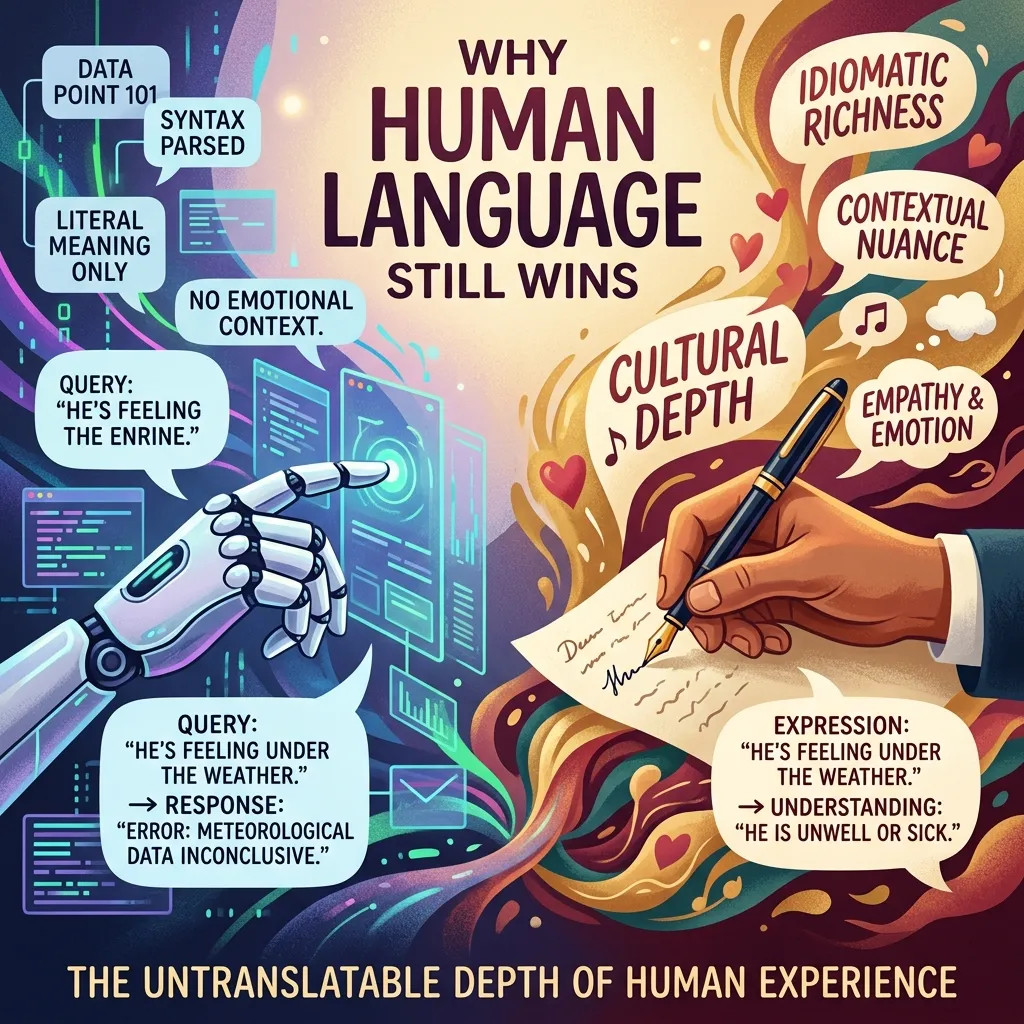
Even in a digital world filled with automation, people still respond to human language. A sales copywriter who understands this can make a brand feel real. People buy from businesses they understand, and they understand messages that sound human.
That is why the best copy often feels simple. It does not hide the offer. It explains it. It does not inflate the promise. It clarifies the value. It does not overwhelm the reader. It respects the reader. A sales copywriter who writes this way creates trust faster.
And trust is the foundation of action. Without trust, the offer may be interesting but not persuasive. With trust, even a modest offer can outperform a flashier one.
Final Perspective
A sales copywriter is part strategist, part psychologist, part communicator. The job is to make the reader feel that taking action is the most natural next step. That happens through clarity, relevance, proof, structure, and emotional intelligence. A sales copywriter succeeds when the words help the customer move from uncertainty to confidence.
For businesses, investing in a skilled sales copywriter can improve conversion, strengthen messaging, and clarify positioning. For readers, good copy feels like a helpful conversation, not a hard sell. That is the real standard. When copy respects the audience and aligns with their motives, it performs better and builds better relationships at the same time.
Conclusion
A strong sales copywriter helps businesses communicate value in a way that feels clear, credible, and motivating. The best copy does not pressure readers; it meets them where they are and shows them why action makes sense. By using psychology, structure, research, proof, and a human tone, a sales copywriter can improve trust and conversion across pages, emails, ads, and product experiences. Great copy is not about sounding impressive. It is about making the right choice feel obvious. When brands invest in this skill, they create stronger messages, better customer experiences, and more reliable growth over time.
FAQ
1. What does a sales copywriter do?
A sales copywriter creates persuasive marketing content designed to increase conversions, such as landing pages, emails, ads, and product pages.
2. How is this role different from a content writer?
A sales-focused copywriter concentrates on persuasion and conversion, while a content writer focuses more on education, information, or engagement.
3. Why is psychology important in copywriting?
Because people make decisions based on emotion, trust, and perceived value, and effective copy uses this understanding to shape stronger messages.
4. What types of businesses need this service?
Any business that wants more leads, sales, bookings, or sign-ups can benefit from conversion-focused copywriting.
5. Does a copywriter need to understand the audience deeply?
Yes. Strong copy depends on research, customer language, pain points, objections, and motivations.
6. Can this help ecommerce brands?
Yes. It can improve product descriptions, category pages, offers, and checkout messaging.
7. What is conversational copywriting?
It uses a natural, human tone to make the message easier to read and more trustworthy.
8. Why do businesses use web copywriting services?
These services improve website messaging so visitors understand the offer and take action more easily.
9. Are content copywriting services the same?
Not exactly. Content services focus on education and nurturing, while sales-focused writing is more directly aimed at conversion.
10. What makes a copywriter effective?
Effectiveness comes from clarity, audience understanding, credibility, and structured messaging that drives action.