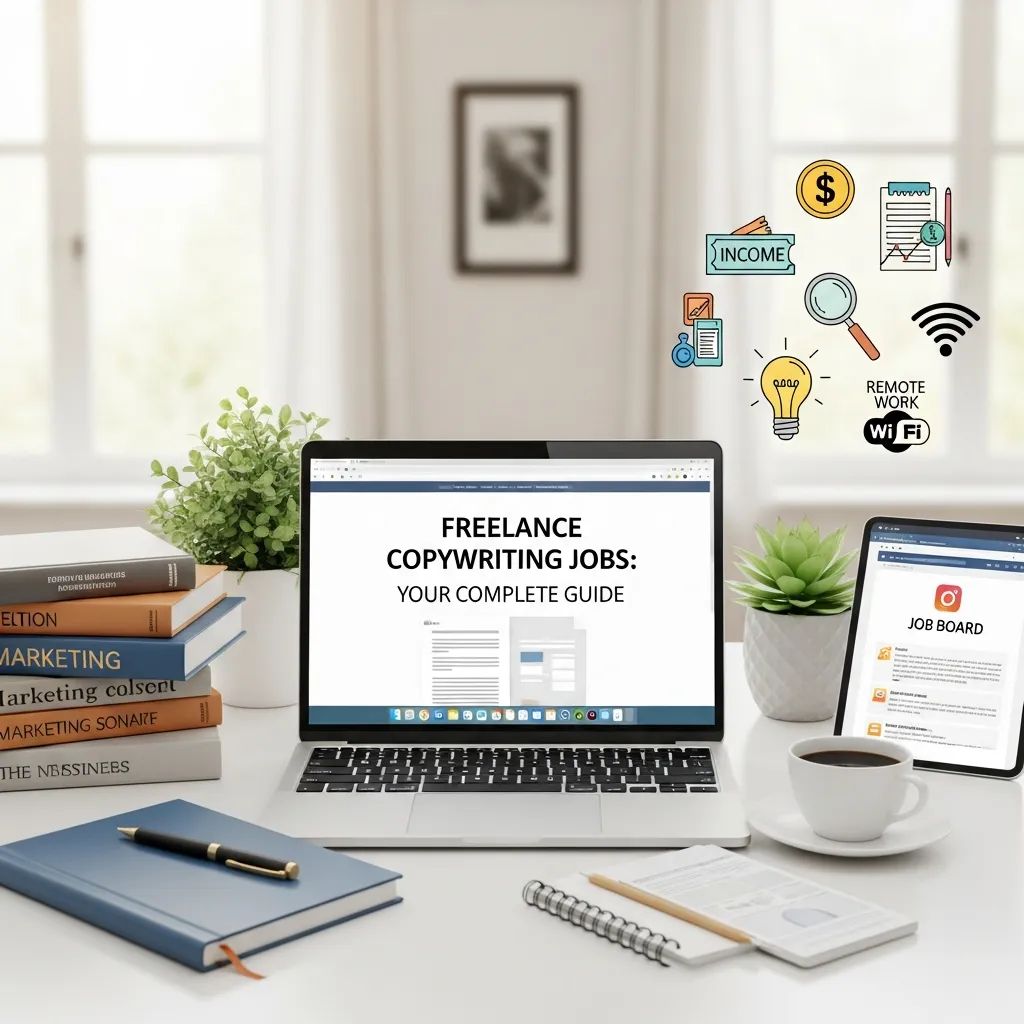
Freelance copywriting jobs span dozens of niches—from SEO copywriting and email campaigns to technical copywriter roles and Google Copywriter positions. This guide covers how to find opportunities, build a portfolio, set your rates, and use productivity tools for freelancers to maximize your income and stay competitive.
Copywriting has quietly become one of the most in-demand skills on the internet. Businesses of every size need words that sell, educate, and convert—and they’re increasingly turning to freelancers to get them. According to the U.S. Bureau of Labor Statistics, the broader writing and communications field is projected to grow steadily through 2032, with digital content demand fueling much of that growth.
But landing consistent freelance copywriting jobs? That’s a different challenge entirely. The market is competitive, the platforms can feel overwhelming, and knowing where to start isn’t always obvious.
This guide breaks it all down. You’ll learn what types of freelance copywriting jobs exist, how to build a portfolio from scratch, where to find clients, and which tools—including AI writing assistants—will help you work faster and smarter. Whether you’re just starting out or trying to scale an existing freelance career, everything you need is here.
What Is Freelance Copywriting, and Why Is It Worth Pursuing?
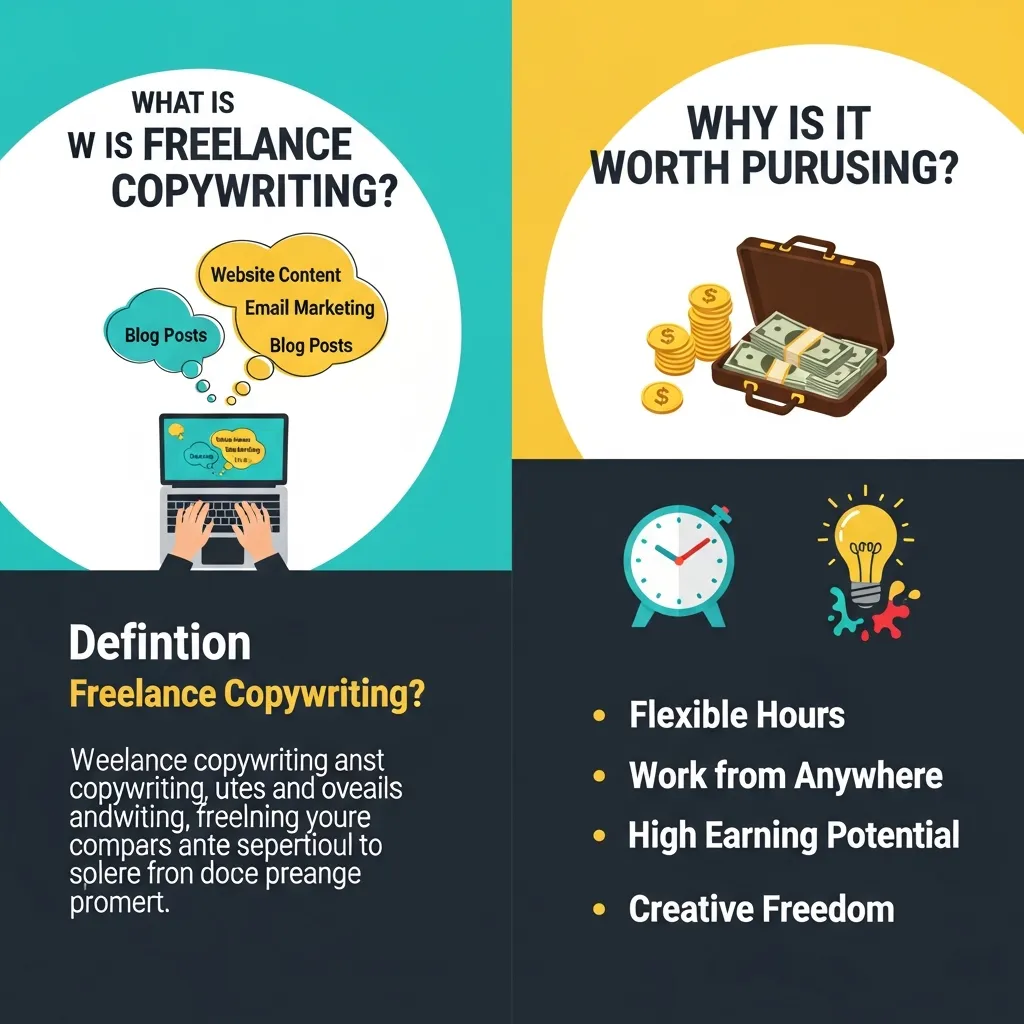
Freelance copywriting is the practice of writing persuasive, engaging, or informative content for businesses on a contract basis rather than as a full-time employee. Freelance copywriters work across industries—tech, healthcare, e-commerce, finance—producing everything from website copy and email sequences to ad scripts and white papers.
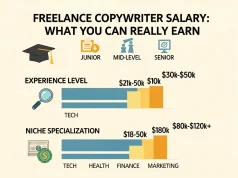
The appeal is real. Freelance copywriting jobs offer flexible hours, location independence, and income potential that scales with your skills and client base. Experienced copywriters routinely charge $75–$150 per hour or more, and top-tier specialists—particularly in direct response and B2B—earn six figures annually.
Demand is also growing. The Content Marketing Institute reports that over 70% of B2B companies outsource at least some of their content creation. As businesses compete for attention online, the need for skilled freelance copywriters isn’t slowing down.
Types of Freelance Copywriting Jobs
Not all freelance copywriting jobs are the same. Understanding the different categories helps you choose a niche—and charge accordingly.
Content Writing
Content writers produce blog posts, articles, and educational resources. The focus is on informing and engaging readers, often with an SEO angle. It’s one of the most accessible entry points for new freelancers.
SEO Copywriting
SEO copywriters write content optimized for search engines. This means researching keywords, structuring content for readability, and understanding how Google ranks pages. It’s a high-demand skill, especially for e-commerce and SaaS brands.
Sales Copywriting
Sales copywriters write landing pages, product descriptions, and direct response ads—content designed to drive conversions. This is one of the highest-paid niches in freelance copywriting.
Technical Copywriter Roles
A technical copywriter translates complex information into clear, accessible content. Common projects include software documentation, user manuals, and technical blog posts. Technical copywriter roles typically require subject matter knowledge in fields like engineering, IT, or science, and they command a premium rate.
Email Copywriting
Email copywriters write campaigns, newsletters, and automated sequences. With email marketing delivering an average ROI of $36 for every $1 spent (Litmus, 2023), businesses invest heavily in strong email copy.
Social Media Copywriting
Social media copywriters craft captions, ad copy, and platform-specific content for channels like Instagram, LinkedIn, and TikTok. Short-form writing is the core skill here.
Google Copywriter Opportunities
Google Copywriter roles—whether at Google itself or with agencies running Google Ads campaigns—focus on paid search copy. Writing effective ad headlines and descriptions within strict character limits is a specialized skill. Google Copywriter positions, both in-house and freelance, are competitive but well-compensated.
Copywriting Consultant Roles
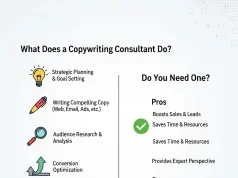
A copywriting consultant goes beyond writing. Copywriting consultant engagements typically involve auditing existing content, developing messaging strategy, and advising marketing teams. This is a natural evolution for experienced freelancers looking to increase their value and rates.
How to Build Your Freelance Copywriting Career
Developing Your Skills
Start by studying the fundamentals. Read foundational books like The Copywriter’s Handbook by Robert Bly and Everybody Writes by Ann Handley. Practice daily—rewrite ads you see, draft email campaigns for imaginary brands, and analyze copy that converts.
Platforms like Copyhackers, the American Writers & Artists Institute (AWAI), and CopyHackers offer structured courses for those who want to go deeper.
Building a Portfolio
You don’t need clients to build a portfolio. Start with spec work—write sample landing pages, mock email sequences, and practice blog posts for brands you admire. Publish work on a personal website using platforms like Squarespace or WordPress. A portfolio with five to ten strong samples across different formats will outperform a resume in almost every situation.
Setting Your Rates
New freelancers often underprice themselves. A common starting point for freelance copywriting jobs is $0.10–$0.20 per word for content writing, or $50–$75 per hour for general copywriting. As you specialize—particularly in technical copywriter roles or copywriting consultant work—rates can climb to $150–$300 per hour or more.
Research what others in your niche charge using resources like the Editorial Freelancers Association rate survey.
Finding Your Niche
Generalists struggle to stand out. Niching down—say, email copywriting for SaaS companies or SEO content for health and wellness brands—makes you easier to find and easier to hire. Clients pay more for specialists.
Where to Find Freelance Copywriting Jobs

Freelance Platforms
Upwork, Fiverr, and Toptal are the most popular starting points for freelance copywriting jobs. Upwork offers a broad range of copywriting projects and tends to attract established businesses. Fiverr works well for productized services. Toptal is selective but connects you with top-tier clients.
Job Boards
ProBlogger’s job board is one of the best sources for content and copywriting work. LinkedIn’s job search is invaluable—many companies post contract roles directly. Indeed and We Work Remotely also list freelance copywriting jobs regularly.
Networking and Referrals
Referrals are the most consistent source of high-quality freelance work. Tell every professional contact you have that you’re available. Join copywriting communities on Slack (like Superpath or Copy Hackers Community) and participate actively. People hire writers they know or who come recommended.
Direct Outreach to Clients
Cold outreach is underutilized and highly effective. Identify companies in your niche with weak website copy or thin blog content. Send a personalized email explaining what you noticed and how you can help. A short, specific pitch with a relevant writing sample attached will outperform any generic application.
How to Optimize Your Profile and Pitches for Freelance Copywriting Jobs
Crafting Compelling Proposals
A strong proposal focuses on the client’s problem, not your resume. Lead with what you understand about their challenge, briefly explain your approach, and include one or two directly relevant samples. Keep proposals under 300 words—clients skim.
Showcasing Your Portfolio Effectively
Organize your portfolio by type or industry, not chronology. Include context for each piece: what the goal was, what you wrote, and what result it achieved (if known). Results—click-through rates, open rates, conversion lifts—make samples far more persuasive.
Highlighting Your Unique Selling Proposition
What makes you different? A background in finance that informs your B2B writing? Deep expertise in SEO? Experience as a copywriting consultant? Your USP should appear in your bio, your proposals, and your LinkedIn headline.
Productivity Tools for Freelancers: What Actually Works
The right productivity tools for freelancers save time, reduce errors, and make it easier to take on more freelance copywriting jobs without burning out.
Project Management
Trello, Notion, and Asana help freelancers track multiple projects, deadlines, and client communications. Even a simple Trello board with columns for “In Progress,” “Review,” and “Invoiced” prevents projects from slipping through the cracks.
Time Tracking
Toggl and Harvest are the most popular time tracking tools among freelancers. Accurate time tracking helps you calculate your effective hourly rate and make the case for raising your rates.
AI Writing Assistants
AI writing assistants—tools like Jasper, Copy.ai, and ChatGPT—have become standard productivity tools for freelancers managing high content volumes. These platforms help with outlining, overcoming writer’s block, repurposing content, and generating first drafts that you then refine and personalize. Using AI doesn’t replace your voice or judgment; it accelerates the process so you can handle more freelance copywriting jobs per week.
Grammar and Proofreading Tools
Grammarly and Hemingway Editor are essential. Hemingway flags overly complex sentences and passive voice. Grammarly catches grammatical issues and offers style suggestions. Outwrite is another strong option, offering paraphrasing and structure improvements beyond basic grammar checking.
How to Stay Competitive in the Freelance Copywriting Market

Continuous Learning and Skill Development
The best freelance copywriters treat their education as ongoing. Follow industry blogs like the Copyblogger and Content Marketing Institute. Take a new course each quarter. Study your own analytics—what resonates with readers, what falls flat, and why.
Understanding SEO and Digital Marketing Trends
Google’s algorithm updates directly impact demand for certain types of freelance copywriting jobs. Understanding core concepts—E-E-A-T (Experience, Expertise, Authoritativeness, Trustworthiness), search intent, structured data—makes you a more valuable hire, especially for clients who care about organic traffic.
Building Long-Term Client Relationships
Acquiring a new client costs far more time and energy than retaining one. Deliver work early when possible. Communicate proactively. Suggest new projects before clients ask. Freelancers who operate like strategic partners—not just hired hands—retain clients for years and generate consistent referrals.
Conclusion
Freelance copywriting jobs offer a legitimate, scalable career path for writers who are willing to develop real skills, build a visible portfolio, and treat client relationships as long-term investments. The range of opportunities is wide—from technical copywriter roles and copywriting consultant engagements to Google Copywriter positions and social media work—meaning there’s a viable niche for almost any background or interest.
The writers who succeed aren’t necessarily the most talented. They’re the most strategic. They pick a niche, get specific about who they help, and show up consistently. They use productivity tools for freelancers to work efficiently without sacrificing quality. And they never stop learning.
Start with one strong sample in your target niche. Post it somewhere visible. Then pitch one client this week. That’s how every successful freelance copywriting career begins.
Frequently Asked Questions About Freelance Copywriting Jobs
How much do freelance copywriters make?
Rates vary widely. Entry-level freelance copywriters typically earn $25–$50 per hour. Mid-level copywriters charge $75–$125 per hour. Specialists in high-demand niches—such as technical copywriter roles or direct response sales copy—often charge $150–$300 per hour. Annual income depends on your niche, client base, and how many hours you work.
Do I need a degree to get freelance copywriting jobs?
No. Most clients hiring for freelance copywriting jobs care about portfolio quality and results, not academic credentials. A strong collection of writing samples in your target niche carries far more weight than a degree.
How long does it take to find freelance copywriting jobs?
With active effort—pitching, posting on platforms, and networking—most new freelancers land their first client within two to four weeks. Building a consistent pipeline of work typically takes three to six months.
What are the best platforms for freelance copywriting jobs?
Upwork and ProBlogger’s job board are the most reliable for consistent volume. LinkedIn is best for landing higher-value clients and agency work. Direct outreach and referrals, while slower to develop, typically produce the highest-quality long-term engagements.
How can I improve my copywriting skills?
Study proven copywriters (David Ogilvy, Gary Halbert, Eugene Schwartz), practice writing every day, and analyze copy that converts. Courses from AWAI and Copyhackers offer structured skill development. Reviewing your own work against real-world results accelerates improvement significantly.
What is the difference between a copywriter and a content writer?
Copywriters write with a primary goal of persuasion—driving clicks, purchases, or sign-ups. Content writers focus on informing or educating an audience, often with an SEO purpose. In practice, many freelance copywriting jobs require both skill sets, especially for SEO-driven landing pages and product-focused blog posts.
How do I set my rates for freelance copywriting?
Research what others in your niche charge using the Editorial Freelancers Association rate guide. Factor in your experience level, the complexity of the project, and the client’s budget. Avoid pricing purely on per-word rates for high-value projects—hourly or project-based pricing better reflects the strategic value you bring.
What are the essential tools for a freelance copywriter?
Core productivity tools for freelancers include a project management tool (Trello or Notion), a time tracker (Toggl), a grammar checker (Grammarly or Outwrite), and an AI writing assistant (Jasper or ChatGPT). A professional portfolio website is also essential for showcasing your work.
Can AI help me with freelance copywriting jobs?
Yes. AI writing assistants are among the most valuable productivity tools for freelancers managing multiple projects. These platforms help with outlining, drafting, and repurposing content at speed. The key is using AI to accelerate your workflow while applying your own voice, judgment, and strategic thinking to produce final copy that genuinely serves the client.
How do I manage multiple freelance copywriting jobs?
Use a project management tool to track every active brief, deadline, and revision request. Set clear scope and timeline expectations with each client upfront. Time-blocking—dedicating specific hours to specific clients—prevents context-switching and improves output quality across all active freelance copywriting jobs.
What is a Technical Copywriter?
A technical copywriter specializes in writing clear, accurate content about complex technical subjects—software documentation, engineering specs, IT security, or scientific research. Technical copywriter roles require both strong writing skills and a working understanding of the subject matter. These roles typically pay above-average rates due to the specialized knowledge required.
What does a Google Copywriter do?
A Google Copywriter writes copy for Google Ads campaigns—primarily search ad headlines, descriptions, and display ad text—within strict character limits. Google Copywriter roles also exist within Google’s own marketing and communications teams, focusing on product announcements, UX writing, and brand campaigns. Both in-house and freelance Google Copywriter opportunities require precision, creativity, and a strong grasp of paid search principles.