In today’s digital landscape, capturing the attention of potential customers requires more than eloquent phrasing—it demands scientific insight into human behavior. Neuromarketing copywriting leverages principles from neuroscience and psychology to craft messages that resonate at an emotional level and drive action. By understanding how people process information, react to stimuli, and make decisions, marketers and writers can design content that transcends mere persuasion and taps into deep, subconscious motivators. Currently, businesses that integrate neuromarketing strategies into their content see higher engagement, improved click-through rates, and stronger conversion metrics. This guide will walk you through the fundamentals of neuromarketing copywriting, reveal the most potent psychological triggers, and demonstrate how to implement these tactics in headlines, body text, and calls to action. Along the way, you’ll find real-world examples, data-driven best practices, and expert insights from authoritative sources like National Institutes of Health and Stanford University. Whether you’re a content strategist, copywriter, or business owner, mastering neuromarketing copywriting in this year will give you the edge you need to stand out in a crowded marketplace and convert browsers into loyal customers.
Understanding the Foundations of Neuromarketing Copywriting

At its core, neuromarketing copywriting fuses rigorous scientific research with the art of persuasive writing. This approach draws on studies in psychology and neuroscience to identify how various stimuli—words, images, and presentation formats—activate specific neural pathways and influence decision-making processes. For example, research conducted by the Harvard Business Review highlights that emotionally charged language triggers the amygdala, leading to stronger memory encoding and increased likelihood of action. By tapping into these insights, copywriters design messages that align with the brain’s natural tendencies for attention, evaluation, and reward.
Neuromarketing copywriting is structured around several key concepts. First, it recognizes that humans are not purely logical beings; emotion heavily influences our choices. Second, it leverages cognitive biases—systematic patterns of deviation from norm or rationality—that have been well-documented in academic literature. Third, the technique relies on rigorous testing and analytics to refine messaging, ensuring continuous improvement. Implementing neuromarketing copywriting involves a strategic sequence: initial research to understand the target audience’s fears, desires, and mental shortcuts; crafting messaging that aligns with these insights; and rigorous A/B testing to validate assumptions and optimize performance.
By comprehending these foundations, brands can create copy that does more than inform—it emotionally resonates and instinctively leads to action. In today’s competitive environment, this scientific approach to writing is what separates average content from persuasive narratives that convert.
Key Psychological Triggers in Neuromarketing Copywriting
Effective neuromarketing copywriting harnesses a select set of psychological triggers proven to influence human behavior. Integrating these triggers strategically into your content can dramatically boost engagement and conversion rates.
Social Proof
Social proof is the tendency of people to mirror the actions of others when making decisions. Including testimonials, case studies, star ratings, or user counts in your copy signals that many peers have already endorsed your offer, reducing perceived risk. A simple statistic—”Trusted by over 100,000 professionals”—can significantly elevate credibility and trust.
Scarcity and Urgency
When people perceive a resource as limited, our brains trigger a fear of missing out (FOMO), boosting the perceived value of the offer. Phrases like “Offer ends today” or “Only 3 seats left” prompt immediate decision making rather than procrastination. Use timers, countdowns, or inventory alerts to amplify urgency.
Anchoring
Anchoring sets a reference point that influences subsequent judgments. By presenting a higher-priced option first, all following prices appear more reasonable. For instance, listing a premium package at $199 before a standard $99 plan makes the latter feel like a deal, guiding prospects toward the more accessible choice.
Reciprocity
Human beings instinctively want to reciprocate when they receive something of value first. Offering a free guide, checklist, or mini-course creates a sense of indebtedness, making prospects more likely to engage or purchase. The principle of reciprocity is rooted in fundamental social norms and is one of the most reliable conversion drivers.
Emotional Triggers
Decisions are often driven more by emotion than pure logic. Craft your copy with sensory-rich language to evoke feelings of excitement, fear, curiosity, or belonging. Narratives, anecdotes, and vivid descriptions stimulate the reader’s imagination, forging an emotional connection that motivates action.
Cognitive Fluency
Cognitive fluency refers to how easily our brains process information. The smoother the experience, the more favorable the impression. Keep sentences concise, use common vocabulary, and structure content with clear headings, bullet points, and white space to enhance readability and perception of credibility.
Crafting Persuasive Headlines and Subheads with Neuromarketing Tactics

Headlines and subheads are your first opportunity to engage readers and apply neuromarketing copywriting principles. They must capture attention, promise value, and set a mental anchor—all within a few words.
Use Numbers and Data
Including precise figures in headlines leverages the anchoring effect while conveying specific benefits. Compare “Tips to Improve Your Website” with “7 Data-Backed Ways to Boost Your Website Traffic by 30%”. The latter immediately positions the content as actionable and credible.
Trigger Curiosity with Open Loops
Open loops create a sense of incomplete knowledge that readers want to resolve. Headlines like “What Every Marketer Gets Wrong About Conversions” spark intrigue. The brain craves closure, driving visitors to click through.
Incorporate Strong Emotional Words
Identify the core emotion your audience desires or fears, and embed that feeling in your headline. Words like “unstoppable,” “breakthrough,” “fearless,” or “transformed” activate the brain’s emotional centers, making your headline stand out in today’s flood of information.
Test Variations Rigorously
A/B testing remains essential. Measure click-through rates of different headline structures, emotional triggers, and word counts. Platforms like Google Optimize or Optimizely can help you iterate quickly and understand which neuromarketing elements resonate most with your audience in this year.
By refining your headlines and subheads through these tactics, you’ll ensure that every visitor experiences a neural prompt to continue reading, guided by curiosity and perceived value.
Applying Neuromarketing in Body Copy and Storytelling
The body of your content offers ample opportunity to weave neuromarketing triggers into cohesive storytelling. A well-structured narrative not only informs but emotionally engages readers, guiding them toward your desired outcome.
Begin with a Relatable Anecdote
Stories create mental simulations in the reader’s mind, activating sensory and emotional regions in the brain. Start by painting a vivid scene: describe the protagonist’s pain points, obstacles, and desires using sensory details. This approach fosters empathy and positions your solution as the hero of the story.
Highlight Benefits Before Features
Feature lists appeal to logic, but benefits speak to emotion. Describe how your product or service will improve the user’s life—whether it’s saving time, reducing stress, or increasing revenue. Make each benefit tangible by quantifying outcomes when possible.
Embed Social Proof Naturally
Rather than listing testimonials separately, integrate quotes or success stories directly into your narrative. For instance, “When Sarah implemented our framework, she saw a 45% uptick in sign-ups within two weeks,” blends social proof seamlessly into the copy.
Maintain Cognitive Fluency
Break paragraphs into digestible chunks, use transition words like “however,” “moreover,” or “in fact,” and incorporate bullet points or numbered lists for clarity. Avoid jargon and prioritize conversational language to keep cognitive processing effortless.
Reinforce Emotional Drivers Throughout
Identify key emotional themes—aspiration, fear, belonging—and weave them into your subheadings and body paragraphs. Remind readers of the stakes and benefits as they move through the content, sustaining emotional engagement from start to finish.
Optimizing Calls to Action and Offers Using Neuromarketing
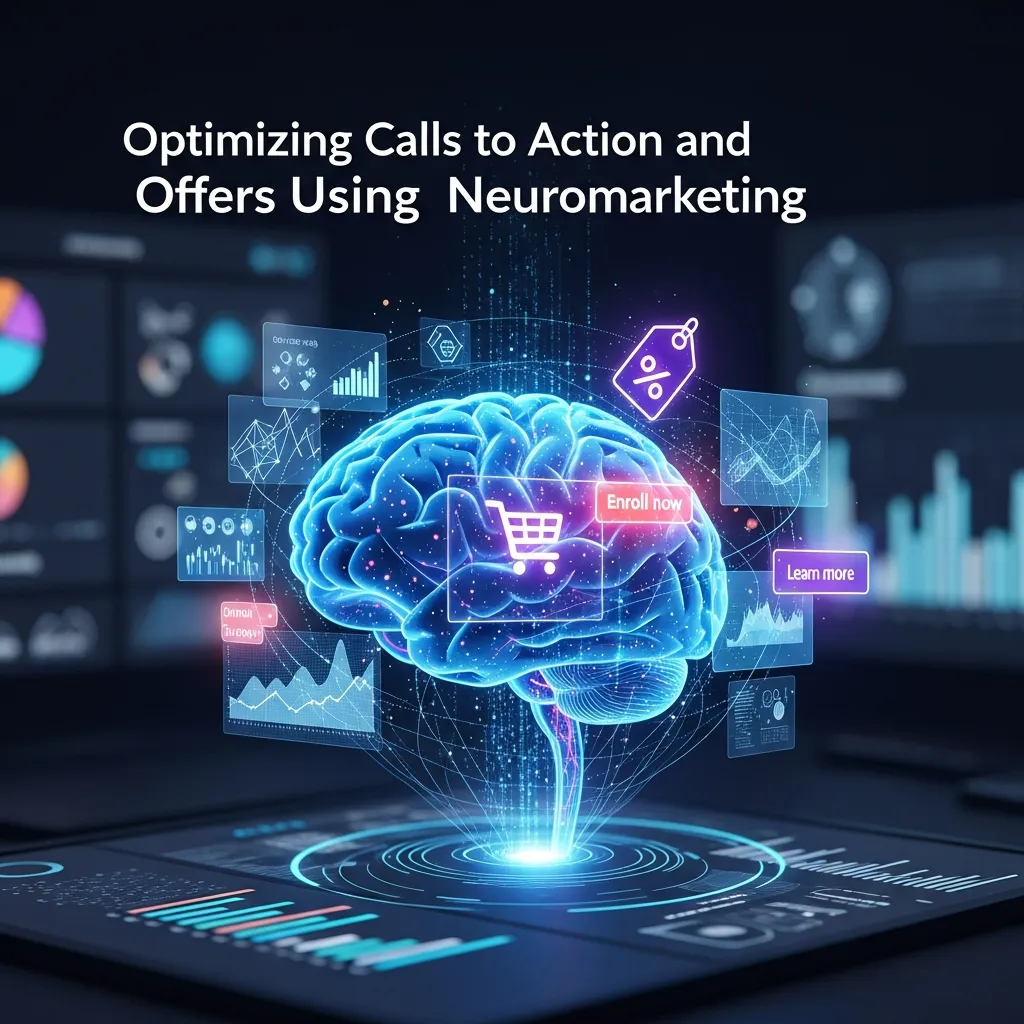
Every successful piece of neuromarketing copywriting ultimately leads readers toward a clear and persuasive call to action (CTA). This is the stage where psychological triggers such as anchoring, scarcity, social proof, reciprocity, and emotional motivation work together to encourage immediate action. A well-crafted CTA does more than ask users to click—it reduces hesitation, builds trust, and creates a strong sense of value.
Crafting the Perfect Offer
One of the most effective neuromarketing strategies is anchoring. Start by presenting the original price, standard package, or perceived value before revealing the discounted or limited-time offer. For example, phrases like “Normally $199, now only $79” make the final price appear significantly more attractive. This comparison helps users feel they are gaining exceptional value, which increases the likelihood of conversion.
You can strengthen this effect further by highlighting savings, bonuses, or exclusive access. When people feel they are receiving more than expected, the brain naturally associates the offer with reward and satisfaction.
Introducing Scarcity and Urgency
Scarcity and urgency are powerful psychological triggers because they activate the fear of missing out (FOMO). When users believe an opportunity is limited, they are more likely to act quickly instead of delaying their decision.
Use phrases such as:
- “Offer expires tonight”
- “Only a few spots remaining”
- “Limited-time access available”
Adding countdown timers, low-stock notifications, or enrollment deadlines can make urgency feel more real and believable. However, authenticity is important. False scarcity can damage trust, while genuine urgency increases engagement and motivates faster action.
Leveraging Reciprocity
People naturally feel inclined to give something back after receiving value first. This is known as the principle of reciprocity. In neuromarketing copywriting, offering a free resource—such as an ebook, checklist, webinar, consultation, or trial—creates goodwill and encourages users to continue engaging with your brand.
For example, offering a free strategy guide before presenting a paid service can make potential customers more comfortable and emotionally connected to your offer. This simple technique often improves trust and conversion rates significantly.
Applying Social Proof in CTAs
Social proof reassures users that others have already benefited from your product or service. Including testimonials, customer numbers, reviews, or success statistics near your CTA reduces uncertainty and increases credibility.
Examples include:
- “Trusted by 50,000+ businesses”
- “Join thousands of marketers improving their ROI”
- “Rated 4.9/5 by verified users”
These trust signals help users feel confident that they are making a safe and popular decision, which is especially important in competitive digital markets.
Using Action-Oriented Language
Strong CTA buttons should use direct, benefit-driven language that clearly tells users what they will gain. Action verbs create momentum and encourage immediate interaction.
Effective CTA examples include:
- “Get Instant Access”
- “Claim My Free Guide”
- “Start My Free Trial”
- “Boost My Sales Today”
Avoid vague phrases like “Submit” or “Click Here,” as they fail to communicate value or emotional benefit. The clearer and more rewarding the CTA feels, the more effective it becomes.
Test and Refine Continuously
Even small CTA adjustments can dramatically affect performance. A/B testing different headlines, button text, placements, and offer structures helps identify which neuromarketing elements resonate most with your audience.
Use tools like Google Analytics, Hotjar, or heat mapping software to monitor user behavior and understand where attention increases or drops. Over time, continuous testing and optimization allow you to refine your neuromarketing copywriting strategy for maximum engagement and conversions.
Conclusion
Neuromarketing copywriting merges scientific understanding of the brain with strategic persuasive writing, empowering brands to craft messages that resonate on both emotional and rational levels. By applying triggers such as social proof, scarcity, anchoring, reciprocity, emotion, and cognitive fluency throughout your headlines, body copy, and calls to action, you align your content with how people naturally process information and make decisions. Start small by integrating one trigger into your next headline or offer, measure the impact, and iterate based on real data. In today’s saturated digital landscape, mastering these techniques in this year will set you apart, leading to higher engagement, stronger trust, and ultimately, increased conversions. Embrace neuromarketing copywriting and watch your communication transform from mere words on a page to powerful, conversion-driving narratives.