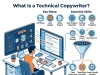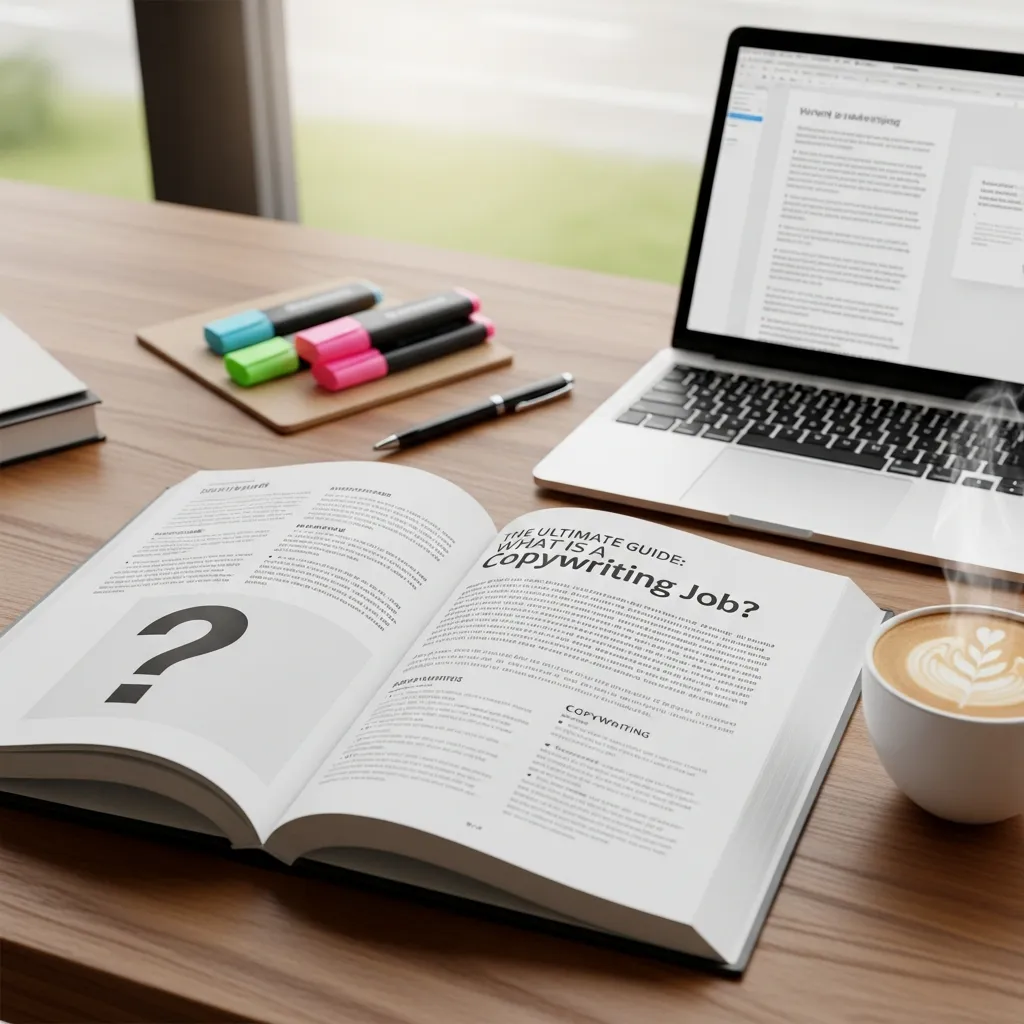
A copywriting job involves creating persuasive and engaging text designed to prompt a specific action from the reader, such as making a purchase, signing up for a newsletter, or clicking a link. This role requires a blend of creativity, psychology, and marketing strategy to craft messages that resonate with target audiences across various platforms.
Are you scrolling through job boards and frequently seeing titles for “copywriter” but feeling unsure of what the role actually entails? You are not alone. Many people encounter this job title and immediately ask, what is copywriting job exactly? It sounds like it might involve legal trademarks or copyrights, but the reality is completely different. Copywriting is the engine that drives marketing, sales, and brand communication.
Whenever you read a catchy billboard, a persuasive email, or a compelling website homepage, you are reading the work of a copywriter. If you want to understand the true copywriter meaning and discover what it takes to succeed in this field, you are in the right place. We will explore the responsibilities, required skills, and daily realities of this creative profession.
What is a Copywriting Job?

Defining Copywriting: More Than Just Words
To answer the question of what is copywriting job, we must look at the purpose behind the text. Copywriting is the act of writing text for the purpose of advertising or other forms of marketing. The product, called copy or sales copy, is written content that aims to increase brand awareness and ultimately persuade a person or group to take a particular action. It differs from editorial writing, which is meant to inform or entertain, because copywriting is fundamentally driven by a desired conversion.
The Evolution of Copywriting
Copywriting is not a new profession. Decades ago, copywriters worked primarily in print, crafting long-form newspaper ads, direct mail letters, and magazine spreads. As technology shifted, so did the copywriter job description. The rise of the internet transformed the industry, moving the focus toward websites, emails, digital ads, and social media. Today, answering “what is copywriting job” means looking at a highly digital, fast-paced environment where data and creativity intersect.
The Core Responsibilities of a Copywriter
When looking at a standard copywriter job description, you will find a variety of daily tasks. The responsibilities stretch far beyond simply typing words onto a page.
Crafting Compelling Headlines and Slogans
The headline is often the most critical part of any piece of copy. A copywriter spends a significant amount of time brainstorming headlines and brand slogans that grab attention instantly. If the headline fails, the rest of the copy goes unread.
Writing Engaging Body Copy
Once the reader is hooked, the body copy must maintain their interest. Copywriters structure this text to flow logically, highlighting the benefits of a product or service while addressing the reader’s pain points.
Understanding Target Audiences and Brand Voice
A successful copywriter rarely writes in their own voice. They must adopt the brand’s unique tone—whether that is professional, quirky, authoritative, or playful. They spend hours researching the target audience to understand their desires, fears, and motivations.
SEO and Keyword Integration
In the digital space, writing beautiful copy is only half the battle. People need to find it. Copywriters must seamlessly integrate search engine optimization (SEO) techniques into their work. For instance, if a company wants to rank for the search term “what is copywriting job,” the copywriter must weave that exact phrase into the content naturally so search engines recognize the page’s relevance.
Conversion-Focused Writing
Every piece of copy has a goal. The copywriter job description always includes driving conversions. Whether the goal is to sell a pair of shoes or get someone to download an ebook, the copywriter structures the text to lead the reader directly to a strong Call to Action (CTA).
Types of Copywriting Jobs
There is no single answer to what is copywriting job because the field is highly specialized. Here are the most common variations of the role.
Marketing Copywriting (Digital, Traditional)
This is the broadest category. Marketing copywriters create materials like brochures, email campaigns, landing pages, and direct mail. Their goal is to communicate the brand’s message clearly and drive customer engagement.
Advertising Copywriting
Advertising copywriters usually work in agencies. They focus on short, punchy copy for billboards, TV commercials, radio scripts, and digital banner ads. Their work is heavily focused on big ideas and catchy hooks.
Content Copywriting
Content copywriters blend educational content with subtle persuasion. They write blog posts, white papers, and e-books. While the main goal is to educate the reader, the underlying purpose is to build trust and subtly guide the reader toward the brand’s solutions.
UX Copywriting
User Experience (UX) copywriting focuses on the microcopy found inside apps and software. These writers craft the text for buttons, navigation menus, and error messages. Their goal is to make the user’s journey through a digital product as smooth and intuitive as possible.
Technical Copywriting
Technical copywriters take complex subjects and make them easy to understand. They often work in industries like software, healthcare, and engineering, writing product manuals, detailed specifications, and specialized industry reports.
Social Media Copywriting
Social media copywriters craft engaging posts for platforms like Instagram, LinkedIn, and TikTok. They must understand the unique algorithms and audience behaviors of each platform to maximize engagement and clicks.
Essential Skills for a Copywriter

To thrive in a copywriting job, you need a specific blend of hard and soft skills.
Strong Writing and Editing Skills
An impeccable grasp of grammar, spelling, and sentence structure is mandatory. Copywriters must write clearly, concisely, and persuasively. They must also be ruthless editors of their own work.
Research and Analytical Abilities
Before a copywriter writes a single word, they research. They study the product, the competitors, and the audience. Analytical skills help them look at data from past campaigns to see what words drove the most clicks.
Creativity and Innovation
Finding a new way to sell an everyday product requires immense creativity. Copywriters must constantly brainstorm fresh angles and unique concepts to make their brand stand out in a crowded market.
Adaptability and Versatility
One day, a copywriter might write a serious press release for a financial firm; the next, a humorous TikTok script for a fast-food chain. Bouncing between different tones and formats is a critical skill.
Understanding of Marketing Principles
Copywriters are marketers first and writers second. They need to understand the sales funnel, buyer psychology, and how their words fit into a broader marketing strategy.
Time Management and Organization
Copywriters often juggle multiple projects with tight deadlines. Organization and the ability to manage one’s schedule are crucial for survival in this fast-paced industry.
The Copywriter’s Workflow
What does the day-to-day actually look like? The standard workflow follows a predictable pattern.
Briefing and Research Phase
The process starts with a creative brief—a document outlining the project’s goals, audience, and deliverables. The copywriter reviews the brief and conducts extensive research to gather facts and inspiration.
Drafting and Brainstorming
Next comes the messy part. The copywriter brainstorms angles, writes multiple headline options, and drafts the initial body copy. This phase is about getting ideas onto the page without worrying too much about perfection.
Editing and Revising
The copywriter then refines the draft. They cut unnecessary words, sharpen the hook, and ensure the tone matches the brand guidelines.
Collaboration and Feedback
Copywriting is a team sport. The writer submits the draft to a creative director, marketing manager, or client. They receive feedback and make revisions until the piece is approved for publication.
Career Paths and Growth in Copywriting
The career trajectory for someone exploring what is copywriting job can take many different shapes.
Entry-Level Positions to Senior Roles
Most copywriters start as junior copywriters, handling smaller tasks like social media captions or short blog posts. With experience, they move up to mid-level roles, eventually becoming senior copywriters or creative directors who oversee entire campaigns.
Freelance vs. In-House vs. Agency
Copywriters have three main work environments. Freelancers run their own businesses, choosing their clients and setting their own hours. In-house copywriters work directly for one specific brand. Agency copywriters work for a marketing firm, handling copy for a diverse roster of clients.
Specialization and Niche Markets
Many copywriters eventually choose a niche. They might become the go-to expert for SaaS (Software as a Service) companies, health and wellness brands, or real estate firms. Specializing often allows copywriters to charge higher rates.
Measuring Success in Copywriting
A copywriter meaning is tied directly to results. How do you know if the copy is good? You look at the data.
KPIs and Metrics (Conversions, Engagement, etc.)
Success is measured through Key Performance Indicators (KPIs). If a copywriter writes an email, they look at the open rate and the click-through rate. If they write a sales page, they track the conversion rate—how many visitors actually made a purchase.
A/B Testing and Optimization
Copywriters frequently use A/B testing. They write two different headlines for the same webpage and show version A to half the visitors and version B to the other half. The version that drives the most conversions wins, and the copywriter uses those insights for future projects.
Challenges and Rewards of a Copywriting Job
Like any career, a copywriting job comes with specific highs and lows.
Dealing with Deadlines and Client Revisions
The pressure to be creative on demand is a major challenge. Tight deadlines can induce stress, and dealing with harsh feedback or extensive client revisions requires a thick skin and a lack of ego.
The Satisfaction of Seeing Your Words Succeed
Despite the challenges, the job is highly rewarding. There is a unique thrill in writing a campaign, releasing it into the world, and watching it generate massive sales or widespread brand engagement.
The Enduring Value of the Copywriter
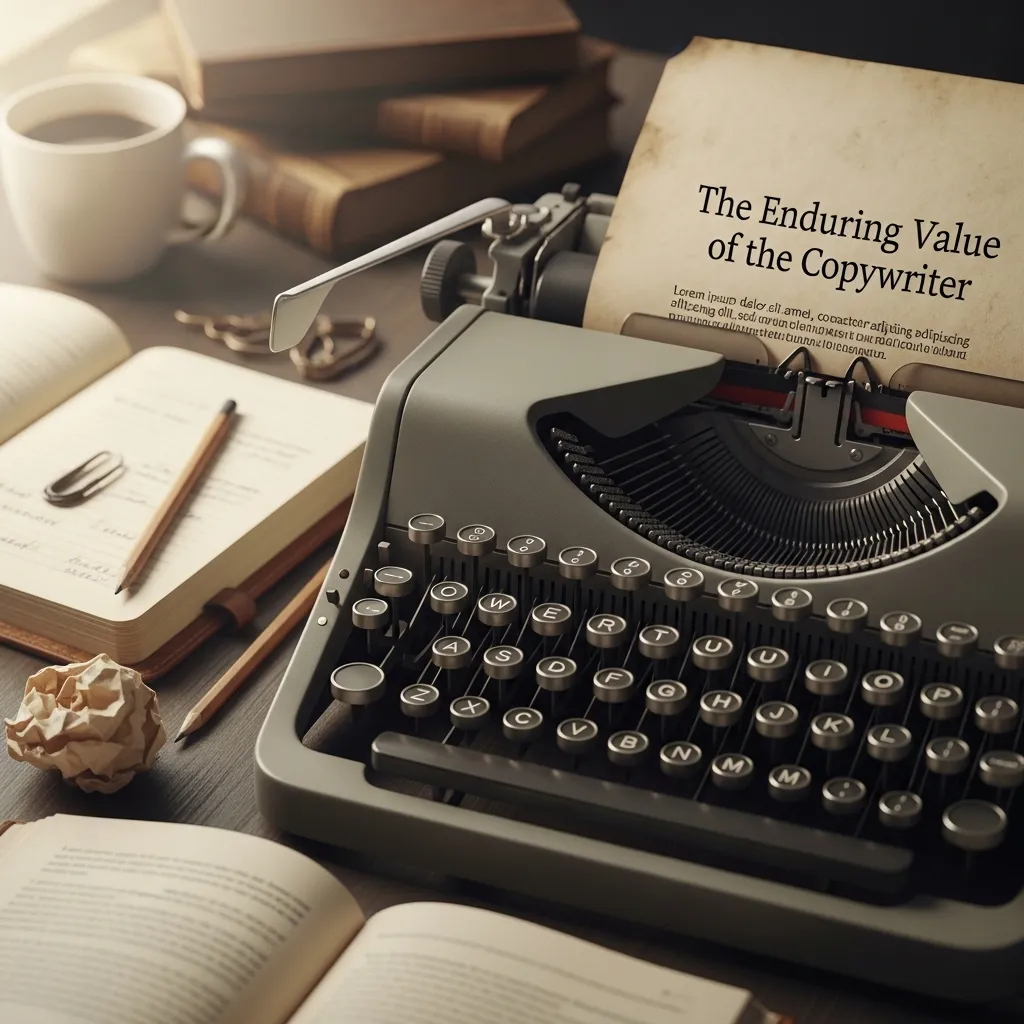
So, what is copywriting job? It is the art and science of using words to drive business results. While algorithms and platforms constantly change, human psychology remains the same. Businesses will always need skilled communicators who understand the true copywriter meaning—to connect a brand’s value with a customer’s need. A strong copywriter job description encompasses empathy, strategy, and creativity, proving that as long as businesses need to sell, the copywriter will remain an invaluable asset.
FAQs
1. What exactly does a copywriter do?
A copywriter writes persuasive text used for marketing and promotional materials. Their primary goal is to encourage the reader to take a specific action, like buying a product, subscribing to an email list, or clicking a link.
2. What skills are essential for a copywriting job?
Essential skills include excellent writing and editing, an understanding of buyer psychology, research capabilities, creativity, basic SEO knowledge, and the ability to adapt to different brand voices.
3. What is the difference between a copywriter and a content writer?
A copywriter focuses on persuasion and driving an immediate action (sales, sign-ups). A content writer focuses on educating, entertaining, or informing the audience (blogs, articles) to build long-term brand trust.
4. How do I get started in a copywriting career?
Start by studying the basics of marketing and persuasive writing. Create a portfolio of sample work—even if they are mock projects for fake brands. You can then apply for junior roles, internships, or start pitching clients as a freelancer.
5. Is a degree required to be a copywriter?
No, a degree is not strictly required. While a degree in English, Journalism, or Marketing can be helpful, employers and clients care far more about the quality of your portfolio and your ability to write words that convert.
6. What is the average salary for a copywriter?
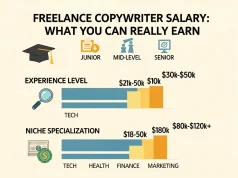
Salaries vary widely based on experience, location, and whether you are freelance or full-time. On average, a full-time copywriter makes between $50,000 and $80,000 a year, while senior or highly specialized freelance copywriters can earn over six figures.
7. What are the different types of copywriting?
Common types include SEO copywriting, technical copywriting, UX copywriting, direct response copywriting, social media copywriting, and advertising (creative) copywriting.
8. How important is SEO in copywriting?
For digital copywriters, SEO is highly important. Writing great copy doesn’t matter if no one can find it. Understanding how to naturally incorporate target keywords (like “what is copywriting job”) helps web pages rank higher on search engines.
9. Can I be a freelance copywriter?
Yes, freelance copywriting is a very common and viable career path. Freelancers enjoy flexibility but must also handle their own business administration, client acquisition, and taxes.
10. How do copywriters measure their success?
Success is measured using data metrics such as conversion rates, click-through rates, open rates for emails, bounce rates on websites, and overall sales generated by the copy.
11. What tools do copywriters use?
Copywriters use word processors (Google Docs, Microsoft Word), grammar checkers, SEO research tools, project management software, and sometimes A/B testing platforms to optimize their writing.
12. What does “Copywriter Meaning” entail in today’s digital landscape?
Today, the copywriter meaning encompasses much more than just writing words. It means acting as a strategic marketer who understands user experience, search engine algorithms, and digital consumer behavior to drive measurable business growth.