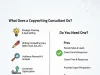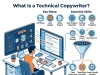
This guide explores the true copywriting definition and its critical role in modern marketing strategies. We cover proven frameworks, essential types of persuasive writing, and actionable tips to help you craft compelling messages. You will learn how to avoid common mistakes, boost conversions, and build a profitable connection with your audience.
Mastering the right words can transform a casual reader into a loyal customer. If you want a clear copywriting definition, it is simply the craft of writing persuasive text designed to prompt a specific action.
What Exactly Is Copywriting?
Many people hear the term and confuse it with legal copyright, which protects intellectual property. The actual copywriting definition refers to the strategic process of writing promotional materials that motivate people to take some form of action. This action could be clicking a link, making a purchase, subscribing to a newsletter, or scheduling a consultation. Copywriters use psychology, research, and clear language to guide the reader toward a specific business goal.
Effective copywriting sits at the heart of all successful marketing campaigns. Every advertisement, sales page, and email sequence you interact with relies on persuasive text. When you understand the core copywriting definition, you realize that it is less about creative writing and much more about strategic communication. You are identifying a problem your audience faces and presenting your product or service as the ultimate solution.
When building a digital marketing strategy, incorporating strong copy ensures your message resonates. Whether you are writing a massive billboard or a tiny button on a website, the goal remains the same. You want to inspire action through the power of words.
The Core Elements of Effective Copywriting
To truly grasp the copywriting definition, you must look at the foundational elements that make the text work. Great copy does not happen by accident. It relies on a blend of empathy, clarity, and deep audience understanding.
Deep Audience Research
You cannot write for an audience you do not understand. Before drafting a single word, successful copywriters spend hours researching their target demographic. They study pain points, desires, objections, and buying habits. This research allows the writer to use the exact language the customer uses, creating an instant connection.
Focus on Benefits Over Features
A common trap is listing product features rather than explaining how those features improve the user’s life. The copywriting definition emphasizes the “what is in it for me” factor. If a software program has a one-click integration feature, the benefit is saving the user hours of tedious manual data entry. Strong copy always highlights the end result.
Emotional and Psychological Triggers
People make purchasing decisions based on emotion and justify them with logic later. Effective copy taps into emotional triggers like fear of missing out, the desire for belonging, or the need for security. By aligning the product with these deep-seated human desires, the copy becomes infinitely more compelling.
A Clear Call to Action
Every piece of copy must lead somewhere. The Call to Action tells the reader exactly what to do next. If you leave the reader guessing, you lose the conversion. Strong verbs and clear directions make for a powerful conclusion to any persuasive message.
Copywriting vs. Content Writing: Understanding the Difference
While exploring the copywriting definition, it is vital to distinguish it from content writing. Both involve stringing words together for a business, but their primary objectives differ significantly.
Content writing focuses on educating, entertaining, and building trust over time. Blog posts, white papers, and social media updates usually fall into this category. The goal is to establish authority and keep the audience engaged.
Copywriting focuses on immediate action and conversions. Sales pages, digital ads, and direct mail flyers are prime examples. The text is sharp, persuasive, and designed to generate revenue or capture leads right now.
However, the best marketing strategies blend both. A high-quality blog post might use content writing to educate the reader about SEO Basics, but it will rely on copywriting principles in the conclusion to encourage the reader to download a related guide.
Essential Types of Copywriting in Marketing
The copywriting definition expands across various formats and mediums. Depending on your business goals, you will likely need to employ several different types of copywriting to build a cohesive marketing funnel.
Direct Response Copywriting
This is the most traditional form of the craft. Direct response copywriting aims for an immediate, measurable reaction from the reader. You see this in sales letters, landing pages, and targeted advertisements. The language is highly persuasive, urgent, and focused entirely on getting the reader to click a button or make a purchase immediately.
SEO Copywriting
Search engine optimization copywriting blends the art of persuasion with the science of ranking in search engines. You must write content that appeals to human readers while also signaling relevance to search algorithms. Incorporating keywords naturally, structuring headings properly, and matching search intent are all critical components. For deeper insights into search algorithms, reading the Google Search Central Blog provides excellent technical foundation.
Email Copywriting
Email remains one of the highest-converting marketing channels available. Email copywriting involves writing catchy subject lines that guarantee high open rates and engaging body text that drives click-throughs. From welcome sequences to abandoned cart reminders, a solid email marketing sequence relies heavily on understanding the subscriber’s journey.
Social Media Copywriting
Social media moves fast. Copywriters must capture attention in a fraction of a second. This format requires extreme brevity, strong hooks, and a deep understanding of platform-specific trends. A successful Facebook ad reads very differently from a professional LinkedIn post, but both require mastery of the copywriting definition.
B2B vs. B2C Copywriting
Business-to-Business copy targets decision-makers at other companies. It tends to be more logical, focusing on return on investment, efficiency, and long-term value. Business-to-Consumer copy speaks directly to the end-user. It is often more emotional, conversational, and focused on immediate personal gratification.
Proven Copywriting Frameworks
Professionals do not stare at a blank page waiting for inspiration. They use established frameworks to structure their arguments. Understanding these formulas is a major part of the copywriting definition.
PAS (Problem, Agitation, Solution)
This is arguably the most reliable framework in the industry.
- Problem: You identify the exact issue the reader faces.
- Agitation: You highlight the negative consequences of leaving the problem unsolved, stirring up emotion.
- Solution: You present your product or service as the perfect way to eliminate the problem.
AIDA (Attention, Interest, Desire, Action)
This classic formula maps out the customer journey from discovery to purchase.
- Attention: You hook the reader with a bold headline or a surprising statistic.
- Interest: You share fascinating facts or a relatable story to keep them reading.
- Desire: You explain the benefits and show how their life will improve.
- Action: You tell them exactly what step to take next.
The 4 Cs
This formula acts as an editing checklist to ensure your text hits the mark. Your copy must be:
- Clear: No confusion or jargon.
- Concise: Using the fewest words possible to make the point.
- Compelling: Interesting enough to hold attention.
- Credible: Backed by facts, data, or testimonials.
Common Mistakes to Avoid
Even experienced marketers sometimes lose sight of the core copywriting definition. Avoid these frequent pitfalls to keep your messaging sharp and effective.
- Writing for Everyone: If you try to appeal to everyone, you appeal to no one. Narrow your focus and speak directly to your ideal customer profile.
- Using Complex Jargon: Never use a long word where a short one will do. Industry jargon alienates readers and makes your message harder to digest. Keep your language simple and conversational.
- Burying the Lead: Your most important benefit should be front and center. Do not make the reader dig through three paragraphs to find out why they should care.
- Weak Call to Action: A button that says “Submit” is boring. Use action-oriented phrases like “Get Your Free Guide” or “Start Saving Today.”
- Ignoring Formatting: Massive walls of text intimidate readers. Use short paragraphs, bullet points, and bold text to make your page easy to scan.
Pro Tips and Expert Insights

To elevate your writing beyond the basic copywriting definition, you need to apply advanced tactics used by industry leaders.
Read Your Copy Out Loud
The best copy sounds conversational. When you read your text out loud, you will instantly notice awkward phrasing, run-on sentences, and unnatural transitions. If you stumble over a sentence while speaking, your reader will stumble over it while reading.
Build a Swipe File
A swipe file is a collection of successful ads, brilliant headlines, and highly converting sales pages. Whenever you see a piece of copy that makes you want to buy, save it. You can study these examples when you need inspiration for your own campaigns. Great resources like Copyhackers regularly dissect winning copy to show you exactly why it works.
Leverage Social Proof
You can tell people your product is amazing, but it means much more when someone else says it. Sprinkle testimonials, case studies, and user reviews throughout your copy. Social proof lowers anxiety and builds immediate trust with skeptical buyers.
Focus on the Headline
Advertising legend David Ogilvy famously said that when you have written your headline, you have spent eighty cents out of your dollar. If your headline fails to capture attention, nobody will read the rest of your page. Spend as much time crafting multiple headline options as you do writing the body copy.
Master the Power of “You”
Notice how often this article uses the word “you.” The most persuasive word in the English language is the reader’s name, and the second most persuasive is “you.” It makes the text feel personal and direct. Always prioritize the reader’s perspective over your brand’s ego.
The Role of Copywriting in SEO
We briefly touched on SEO copywriting, but its importance cannot be overstated. A modern copywriting definition must include search engine visibility. It does not matter how persuasive your sales page is if nobody can find it on Google.
Search engines want to serve the best possible answer to a user’s query. Therefore, your copy must align perfectly with search intent. If someone searches for an informational topic, your copy must educate them. If they search for a transactional keyword, your copy must facilitate a sale.
Furthermore, engaging copy improves critical user experience metrics. When readers stay on your page longer, read through multiple sections, and click internal links to your content marketing strategy hubs, search engines take notice. High dwell time and low bounce rates signal to algorithms that your page provides massive value, which often results in higher rankings. You can learn more about how search engines evaluate content quality by reviewing guidelines published by authorities like Backlinko.
Measuring Copywriting Success
You cannot improve what you do not measure. A true professional understands that the copywriting definition extends beyond writing; it includes testing and optimization.
To determine if your words are working, track metrics like conversion rates, click-through rates, and time on page. If a landing page receives thousands of visitors but zero purchases, the copy is likely failing to address a key objection or the call to action is too weak.
A/B testing is a copywriter’s best friend. Test two different headlines against each other to see which generates more clicks. Test a long-form sales page against a short, punchy version. Let the data tell you what your audience responds to best.
Conclusion
Understanding the copywriting definition is the first step toward building a more profitable business. By focusing on your audience’s needs, writing clearly, and applying proven frameworks, you can turn simple words into powerful revenue generators. Now it is time to put these principles into practice. Start reviewing your website today and rewrite your weakest headlines to see an immediate boost in engagement.
FAQs
What is the main purpose of copywriting?
The main purpose is to persuade the reader to take a specific action. This action can be anything from buying a product, signing up for an email list, clicking a link, or downloading a resource. It is entirely focused on driving conversions.
How is copywriting different from copyright?
Copywriting is the act of writing persuasive marketing text. Copyright is a legal term that refers to the exclusive right to reproduce, publish, or sell an original work of authorship. They sound similar but belong to completely different fields.
Do I need a degree to become a copywriter?
No, you do not need a specific degree. While a background in marketing, English, or communications can help, most successful copywriters are self-taught. They learn by studying successful campaigns, reading industry blogs, and practicing the craft daily.
What is an SEO copywriter?
An SEO copywriter specializes in writing content that ranks highly on search engines while still persuading the human reader. They understand how to integrate keywords naturally, structure headers for readability, and satisfy the specific intent behind a user’s search query.
How long should the copy be?
The length of your copy depends entirely on the product and the audience. A cheap, impulse-buy item might only need a few sentences of punchy copy. A high-ticket, complex software solution might require thousands of words to address all potential objections. The rule is to make it as long as necessary, but as short as possible.
What is a Call to Action (CTA)?
A Call to Action is the specific instruction you give your reader at the end of your copy. It tells them exactly what step to take next. Examples include “Buy Now,” “Subscribe Here,” or “Schedule Your Free Call.”
Why is audience research so important in copywriting?
If you do not know who you are talking to, you cannot persuade them. Audience research tells you what problems your customers face, what language they use to describe those problems, and what outcomes they desperately want. This allows you to write highly targeted, effective messaging.
What are power words in copywriting?
Power words are specific terms that trigger a psychological or emotional response. Words like “exclusive,” “guaranteed,” “proven,” “instantly,” and “free” capture attention and make the text feel more urgent and compelling.
Can AI replace human copywriters?
While artificial intelligence tools are excellent for brainstorming and generating rough drafts, they lack human empathy and lived experience. AI struggles with deep emotional nuance and original strategic thinking. Human copywriters are still required to edit, refine, and inject genuine personality into the text.
How can I improve my copywriting skills quickly?
The fastest way to improve is to practice daily and study the greats. Hand-copy successful sales letters to build muscle memory. Read your writing out loud to fix clunky sentences. Most importantly, study your target audience relentlessly so you know exactly what motivates them to buy.